Recoded Elements: Archigram and Palladio
This project leverages machine learning for the classification and resulting design configuration of architectural elements. Two archetypes of radical and traditional architecture were selected - Archigram as radical and Palladio as traditional.
A dataset of 400 images (200 Archigram and 200 Palladio) was collected, focusing on drawings and other illustrations instead of photography. These images were used to train a classifier model in identifying these two categories.
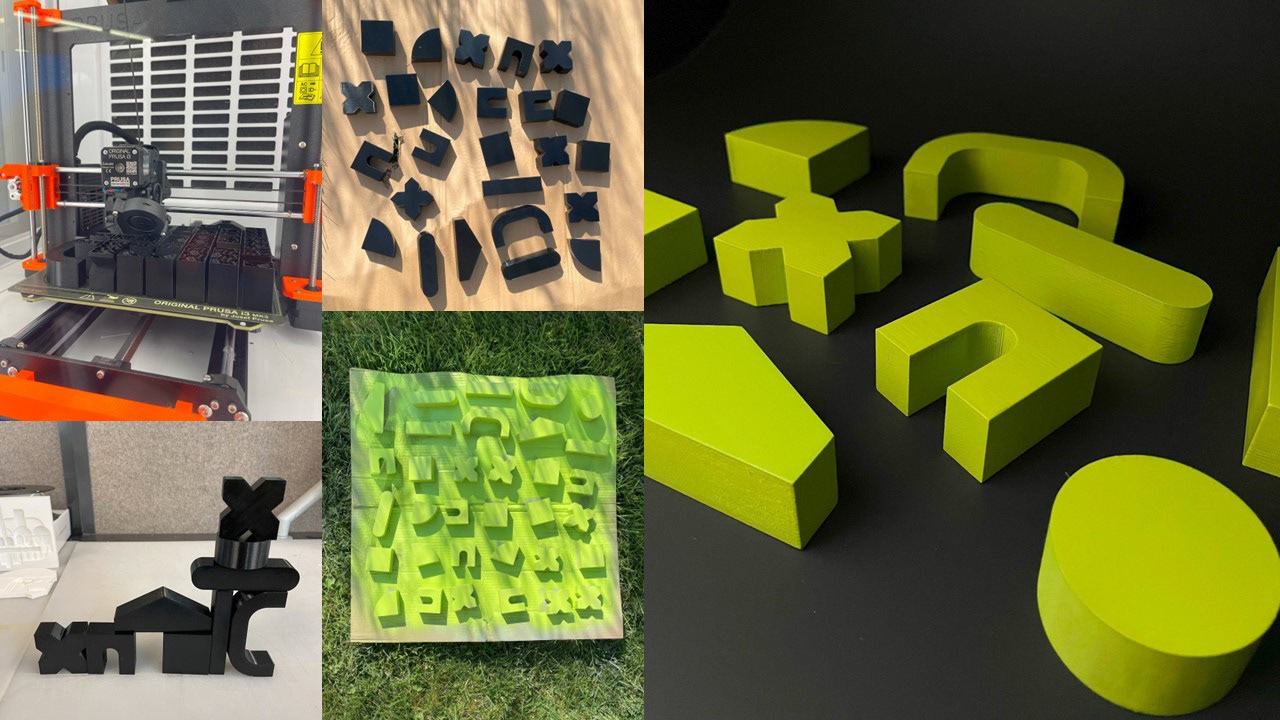
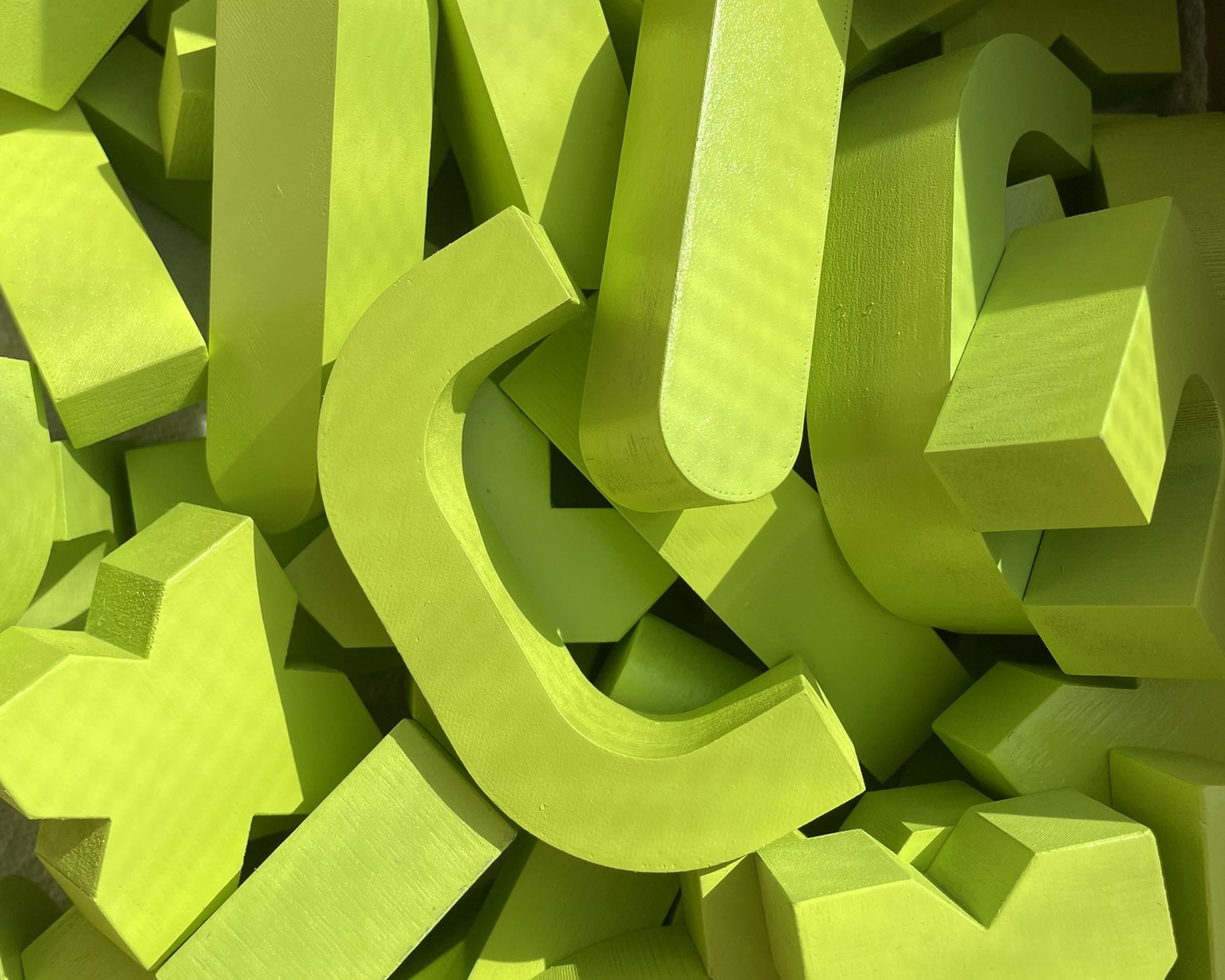
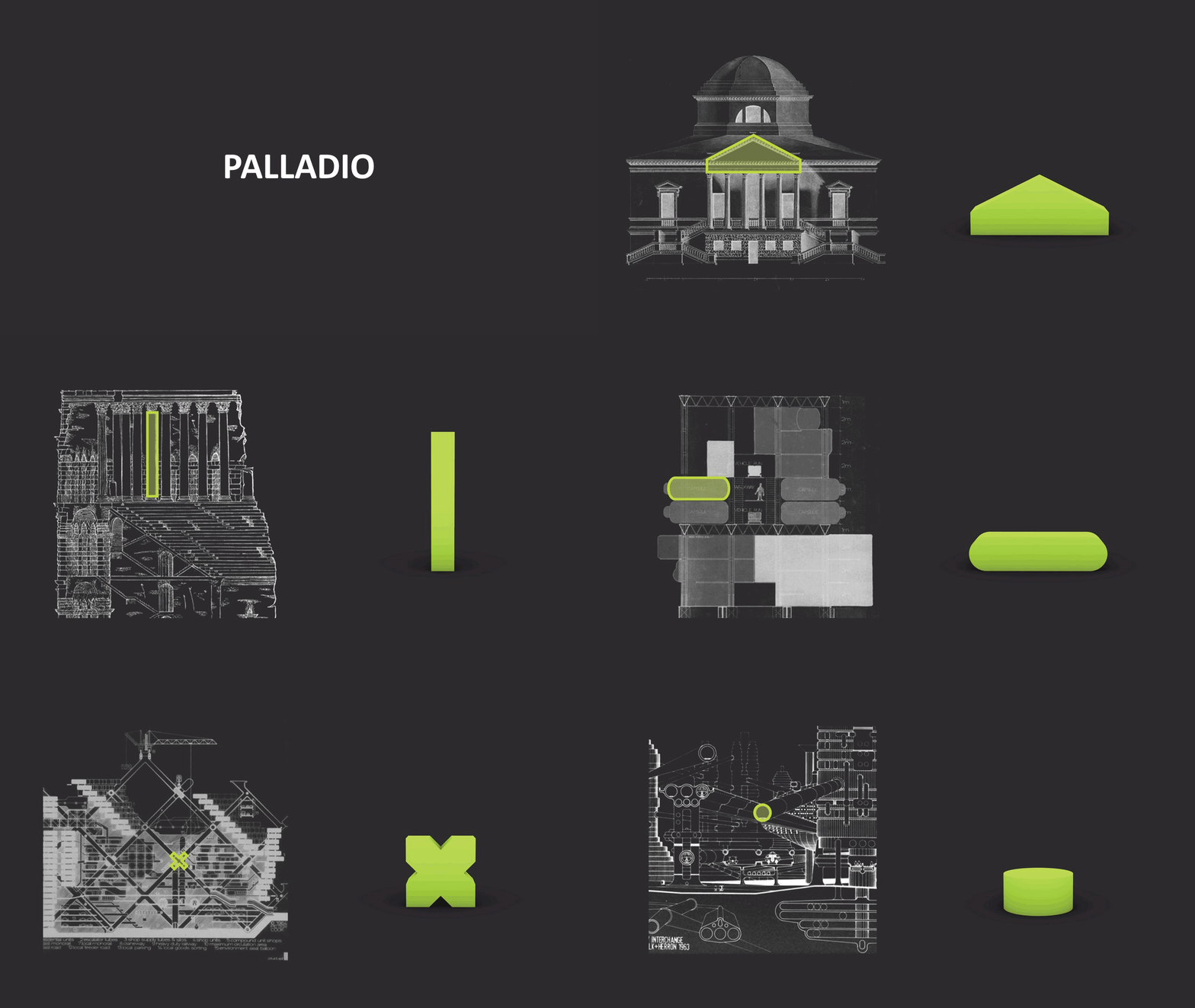
Once the model was trained, a series of elements - green toy blocks - were developed to represent each class. These 2 sets of blocks were digitally assembled in countless configurations digitally. Then, hundreds of those configurations were shown to the classifier model and assigned percentages of "Archigram-ness" and "Palladio-ness." In doing so, some of the configurations made with Archigram blocks began to read as Palladian, and vice versa. Thus, Archigram-coded shapes became Palladian and Palladio-coded shapes become Archigram.
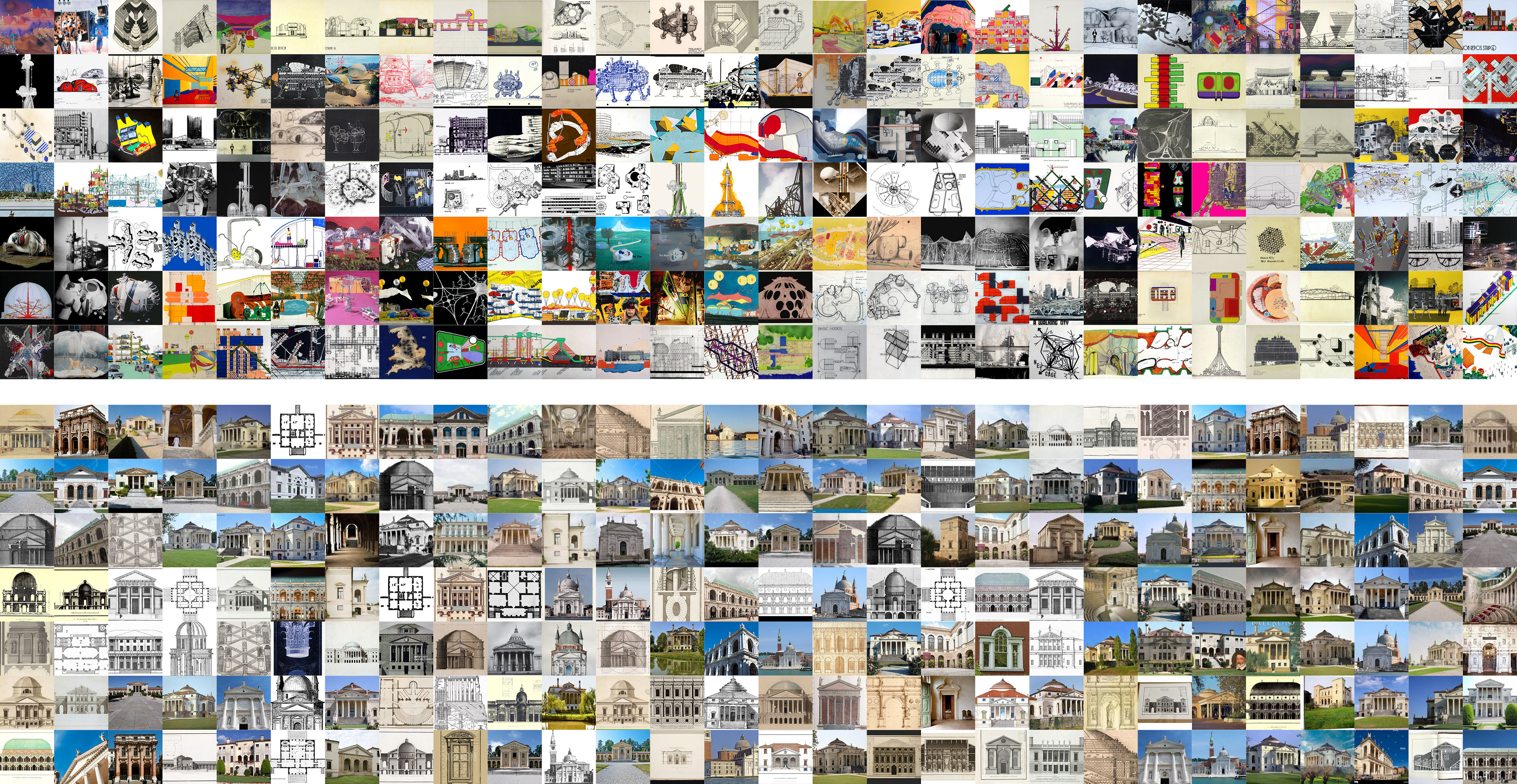
dataset
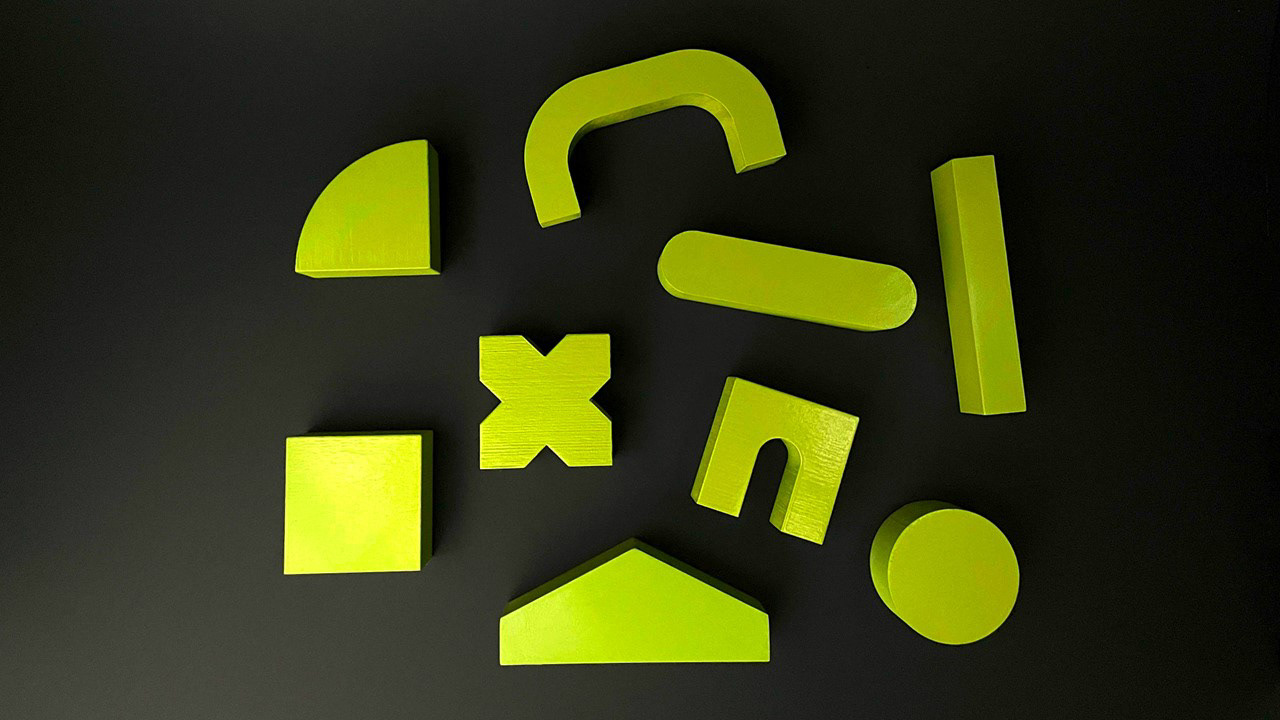
blocks representing abstracted Archigram-coded and Palladio-coded elements in design
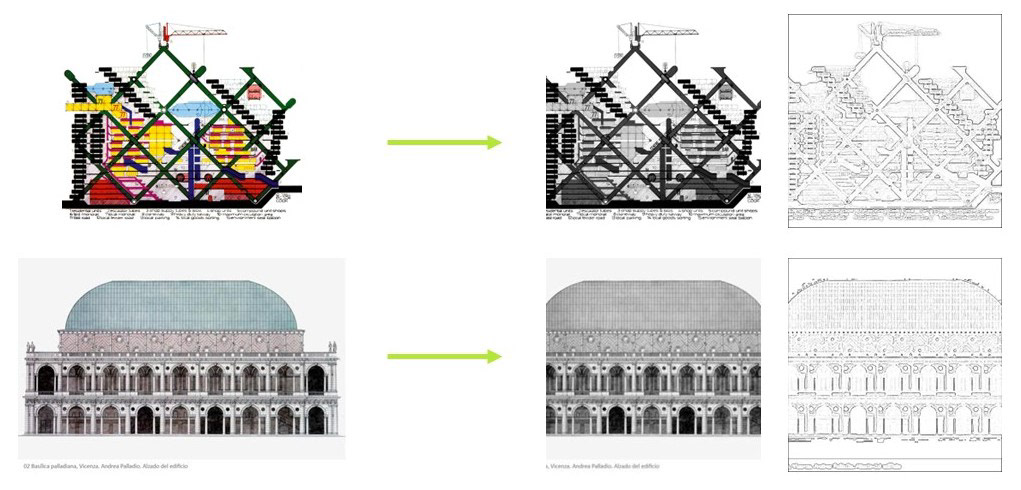
Image Processing: Images were converted to outlines to emphasize the textures and drawing styles and used to train the classifier model.
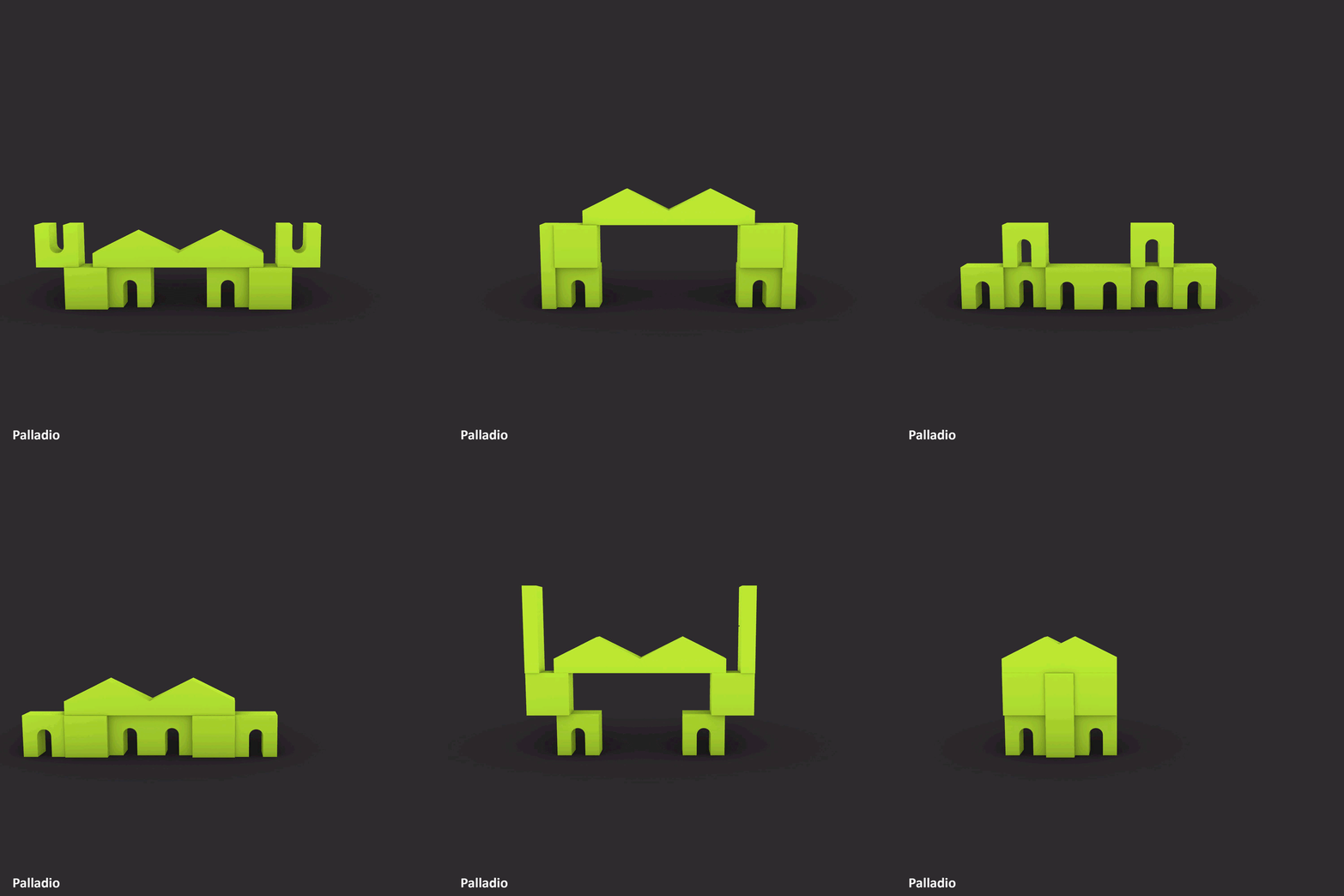
Generated Palladian assemblies
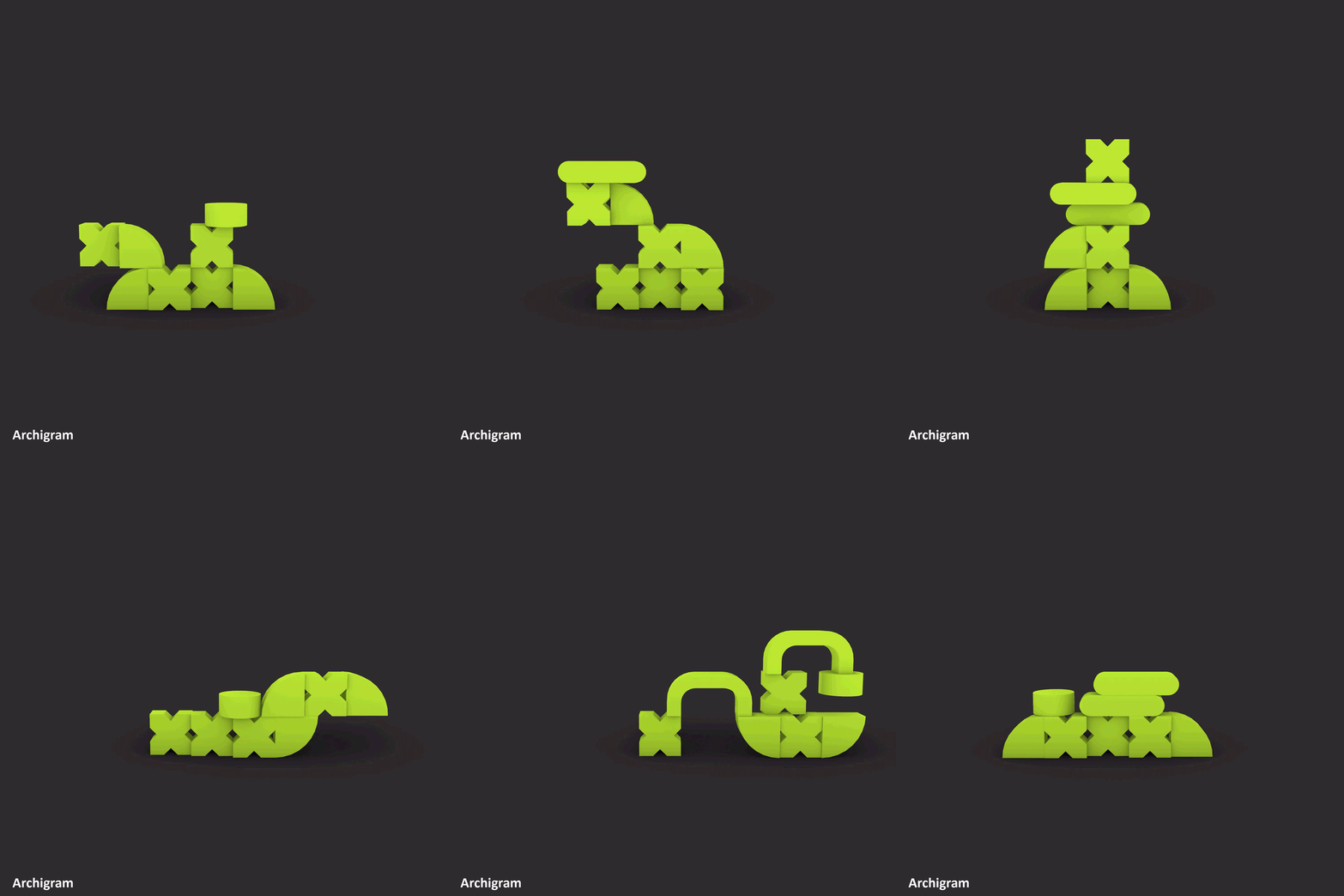
Generated Archigram assemblies
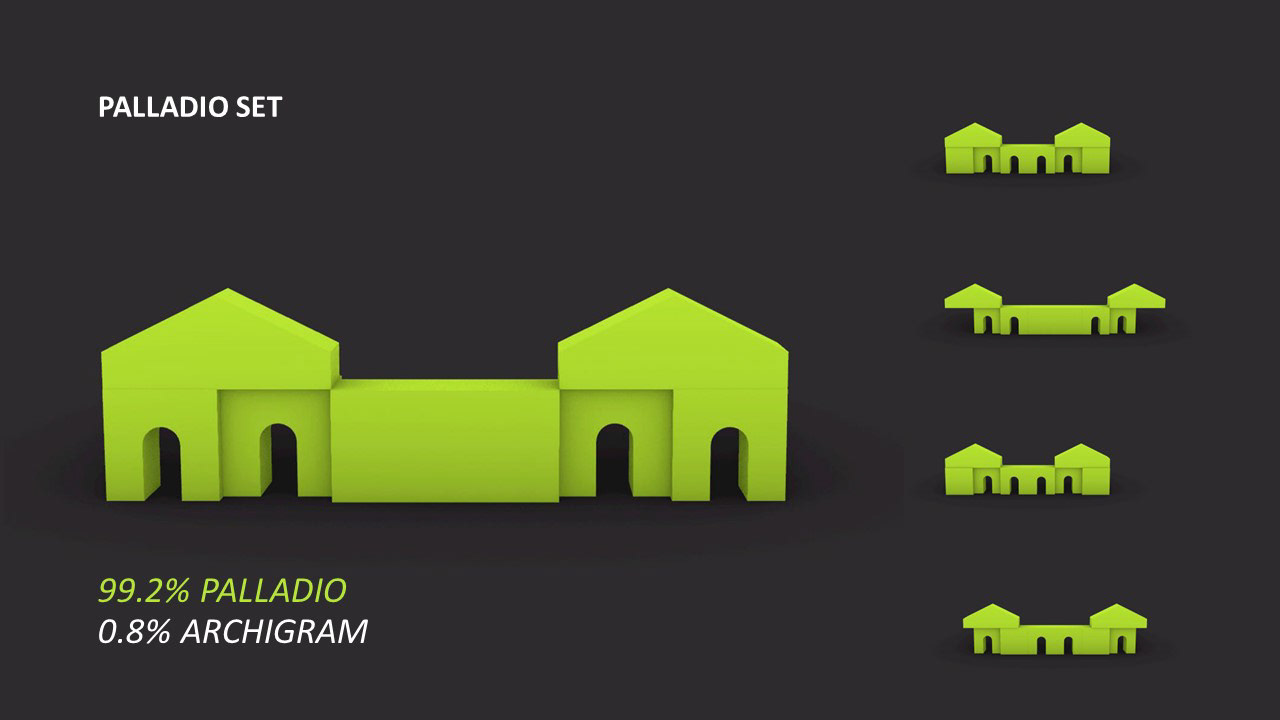
The most Palladian configuration with Palladio elements
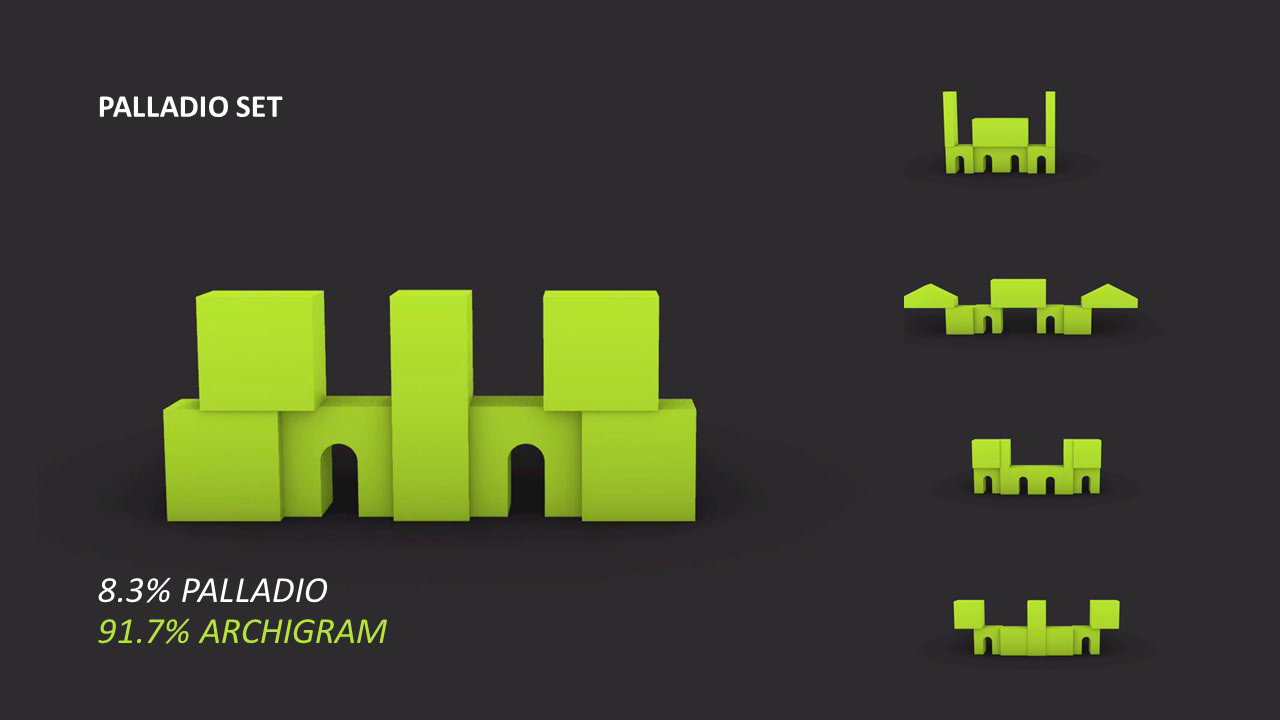
The most Archigram configuration with Palladio elements - Palladio recoded as Archigram
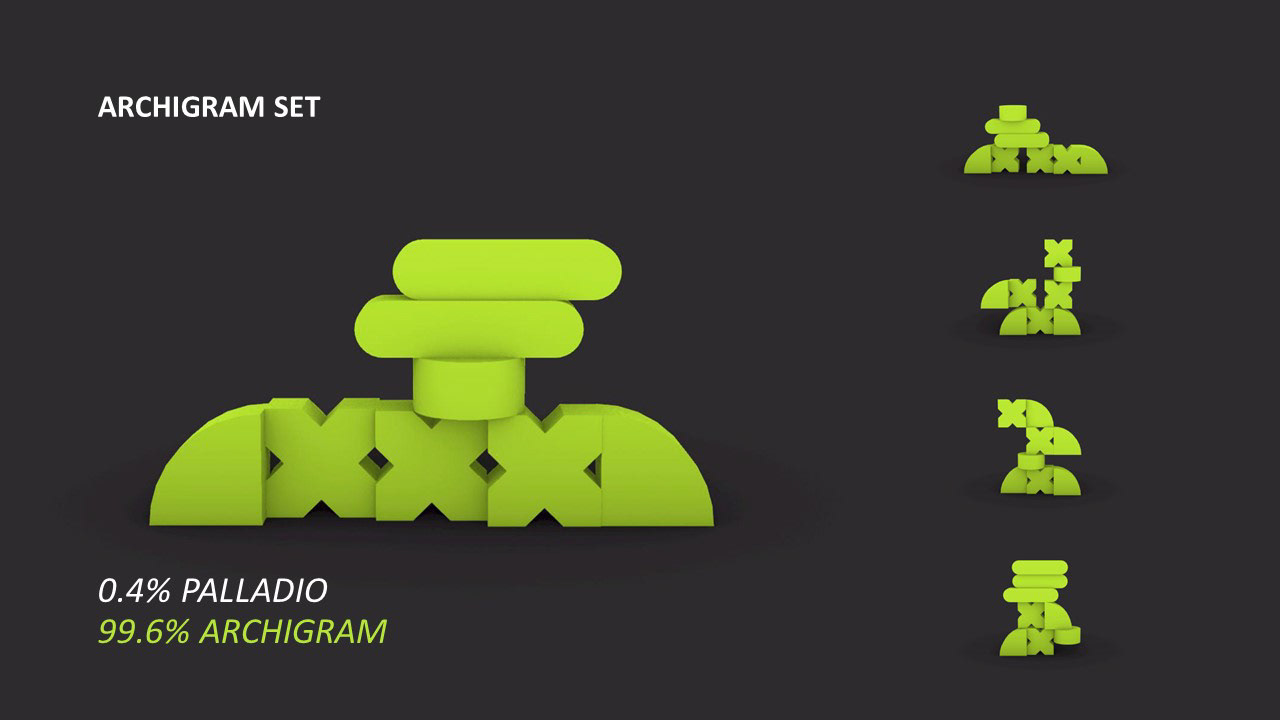
The most Archigram configuration with Archigram elements
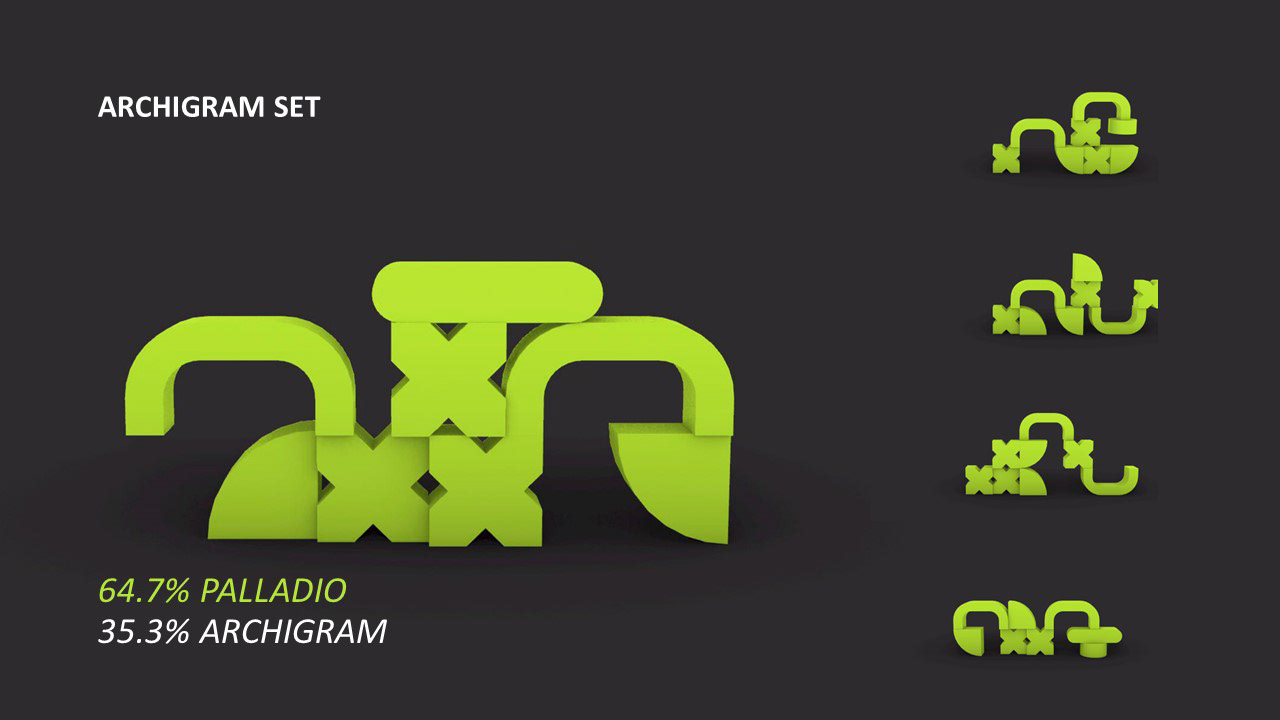
The most Palladio configuration with Archigram elements - Archigram recoded as Palladio
The ML model can "see" in real time which class the given image belongs to.